
Filing Business Taxes for the First Time: What You Need to Know
Filing business taxes for the first time can feel overwhelming.
You started your business to serve clients, build something meaningful, and create income — not to decode IRS forms and worry about making a mistake. If you’re staring at paperwork wondering where to begin, you’re not alone.
The good news? Once you understand the basics, it becomes manageable — and far less intimidating.
Let’s walk through what actually matters.

1. What Tax Forms Do Small Businesses Need?
The forms you file depend on how your business is structured.
Sole Proprietor or Single-Member LLC (default taxation)
You’ll typically file:
Form 1040 (personal return)
Schedule C (business income and expenses)
Schedule SE (self-employment tax)
Partnership or Multi-Member LLC
Form 1065
Schedule K-1 (issued to each partner)
S Corporation
Form 1120-S
Schedule K-1 for shareholders
C Corporation
Form 1120
Your structure determines deadlines, how you pay yourself, and how much you owe.
If you’re unsure how your LLC is taxed, that’s the first thing to clarify.
2. Common Mistakes First-Time Business Owners Make
The first year of business comes with a steep learning curve. The most common missteps we see include:
Mixing personal and business expenses
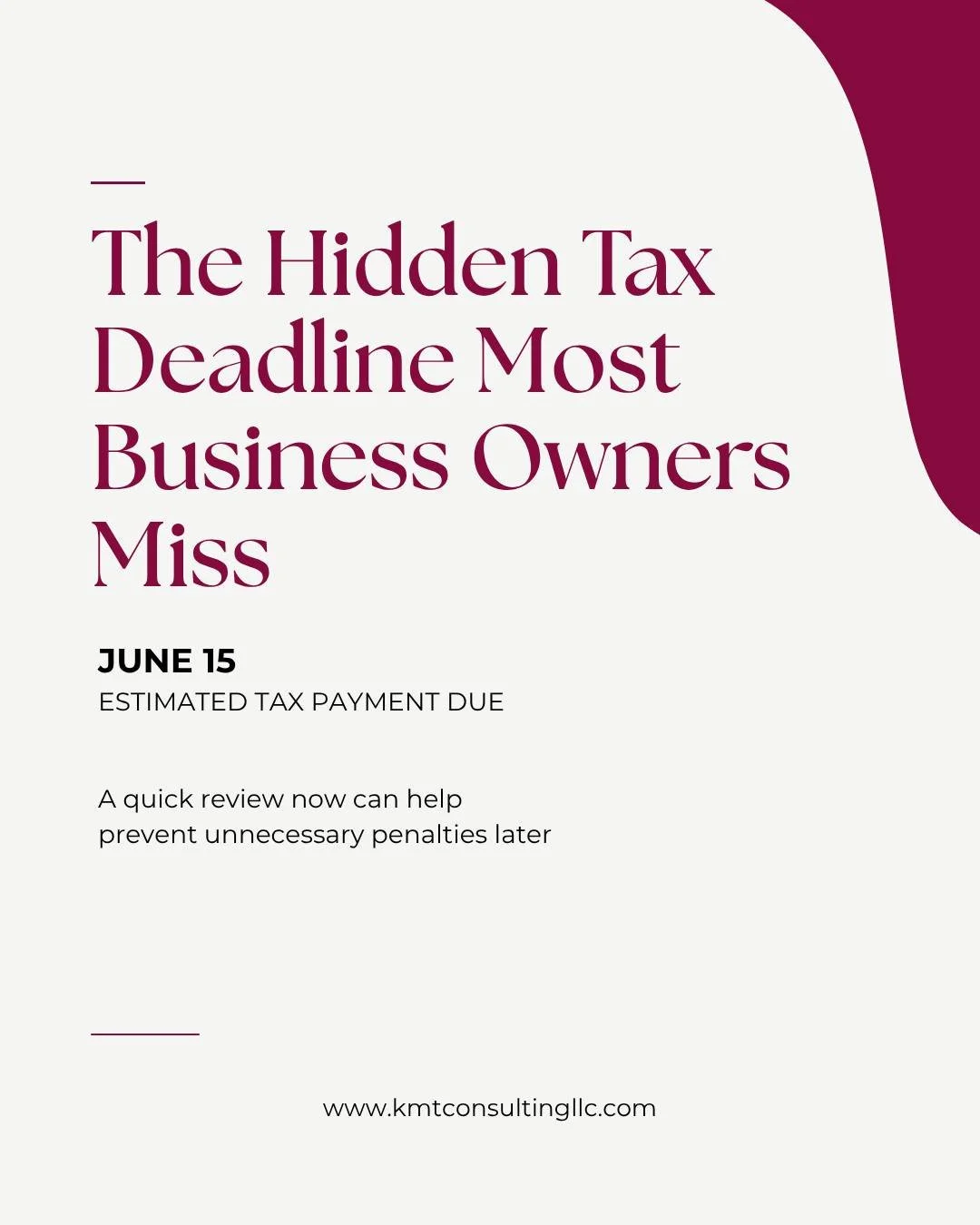
Forgetting quarterly estimated tax payments
Missing deductions due to poor recordkeeping
Underestimating self-employment tax
Waiting until tax season to “figure it out”
Most of these aren’t careless mistakes. They’re simply knowledge gaps — and they’re fixable.

3. How to Estimate Taxes in Your First Year
A simple starting guideline:
Set aside 25–30% of your net profit for taxes.
Make estimated payments quarterly (April, June, September, January).
Your actual percentage depends on your income, state, business structure, and whether you have other W-2 income.
Underpaying can trigger penalties. Overpaying can strain cash flow. A thoughtful plan makes all the difference.
4. Resources to Help You Navigate Your First Tax Season
Start building strong habits now:
Open a separate business bank account.
Use bookkeeping software and update it monthly.
Keep digital copies of receipts.
Track mileage and recurring expenses.
Review your numbers quarterly — not annually.
And perhaps most importantly — ask questions early.
Clarity prevents stress.

Final Thoughts
Your first tax season isn’t about being perfect. It’s about building systems that support your growth long-term.
At KMT Consulting LLC, we specialize in helping new and growing small business owners understand their tax obligations without fear or judgment. We walk alongside you — explaining your structure, identifying deductions, helping you estimate taxes properly, and making sure compliance feels manageable instead of overwhelming.
You don’t have to navigate your first filing season alone. We’d love to help.
👉 Learn more about our tax compliance and planning services at www.kmtconsultingllc.com or reach out to start the conversation.