
Quarterly Planning Is Where Profits Are Actually Made
Most business owners think profit is created when revenue increases.
It’s not.
Revenue creates opportunity.
Quarterly planning creates profit.
Tax returns are backward-looking. They tell you what already happened. But sustainable profitability? That’s built in the 90-day decisions you make throughout the year.
If you want stronger margins, steadier cash flow, and fewer surprises next January, quarterly planning is where it starts.

Why Quarterly Planning Matters More Than Annual Goals
Annual goals are inspiring.
Quarterly plans are executable.
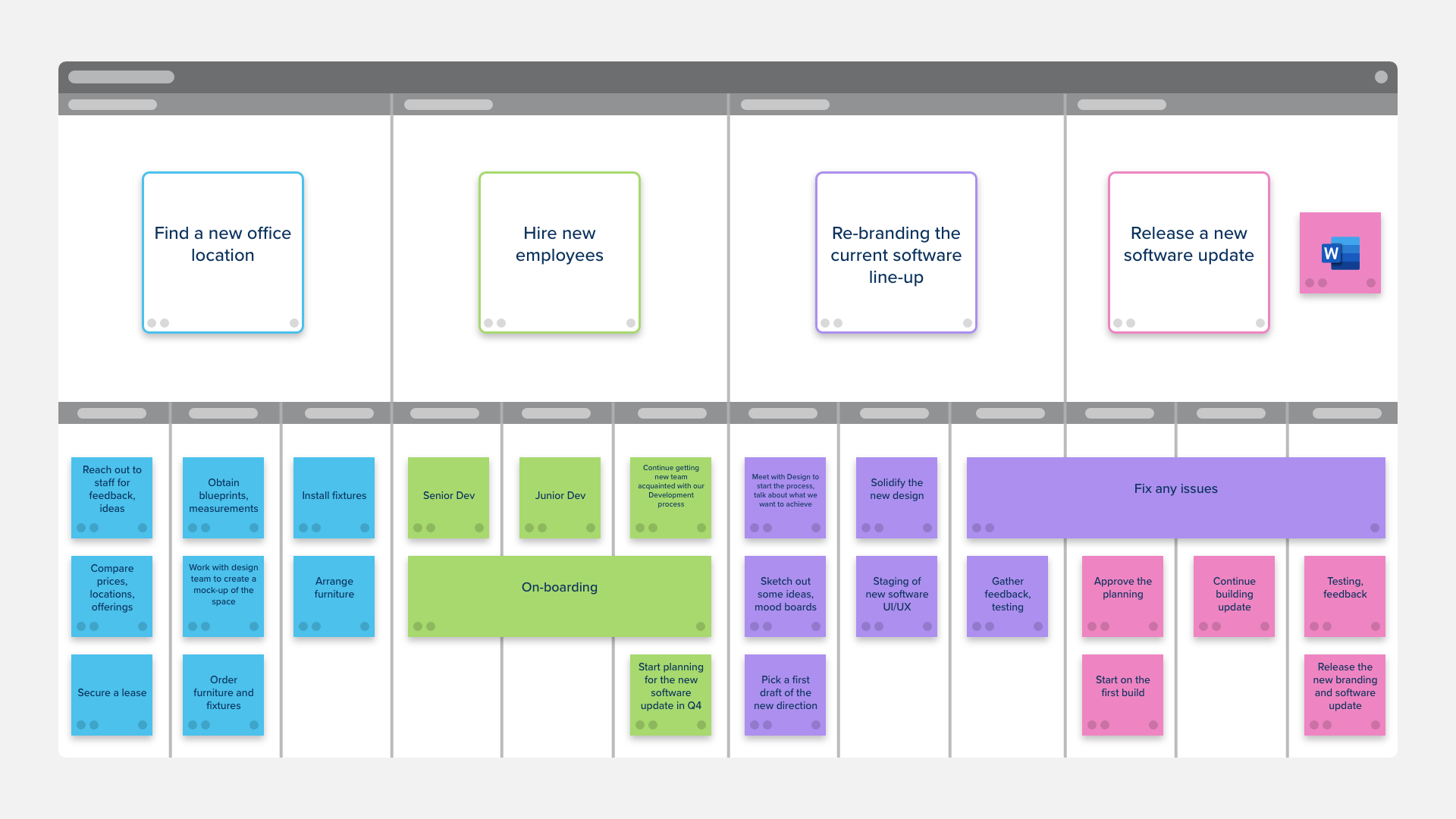
When you break your year into 90-day segments, you create:
Clear revenue targets
Expense boundaries
Cash flow visibility
Tax projection adjustments
Real accountability
Instead of hoping the year improves, you actively shape it.
Quarterly planning forces you to look at what’s working — and what’s quietly draining profit.
What Quarterly Planning Should Actually Include
Quarterly planning isn’t just “checking the numbers.” It’s intentional strategy.
Here’s what that looks like in practice:
1. Margin Review
Are your prices still aligned with your costs?
Have overhead expenses crept up?
Are certain services less profitable than you assumed?
Profit is often lost in pricing inertia and unexamined expenses.
2. Cash Flow Forecasting
Revenue doesn’t equal cash.
A quarterly forecast answers:
When will cash actually hit the bank?
What large expenses are coming?
Will tax payments strain liquidity?
Do we need to adjust spending or collections?
Clarity prevents panic.
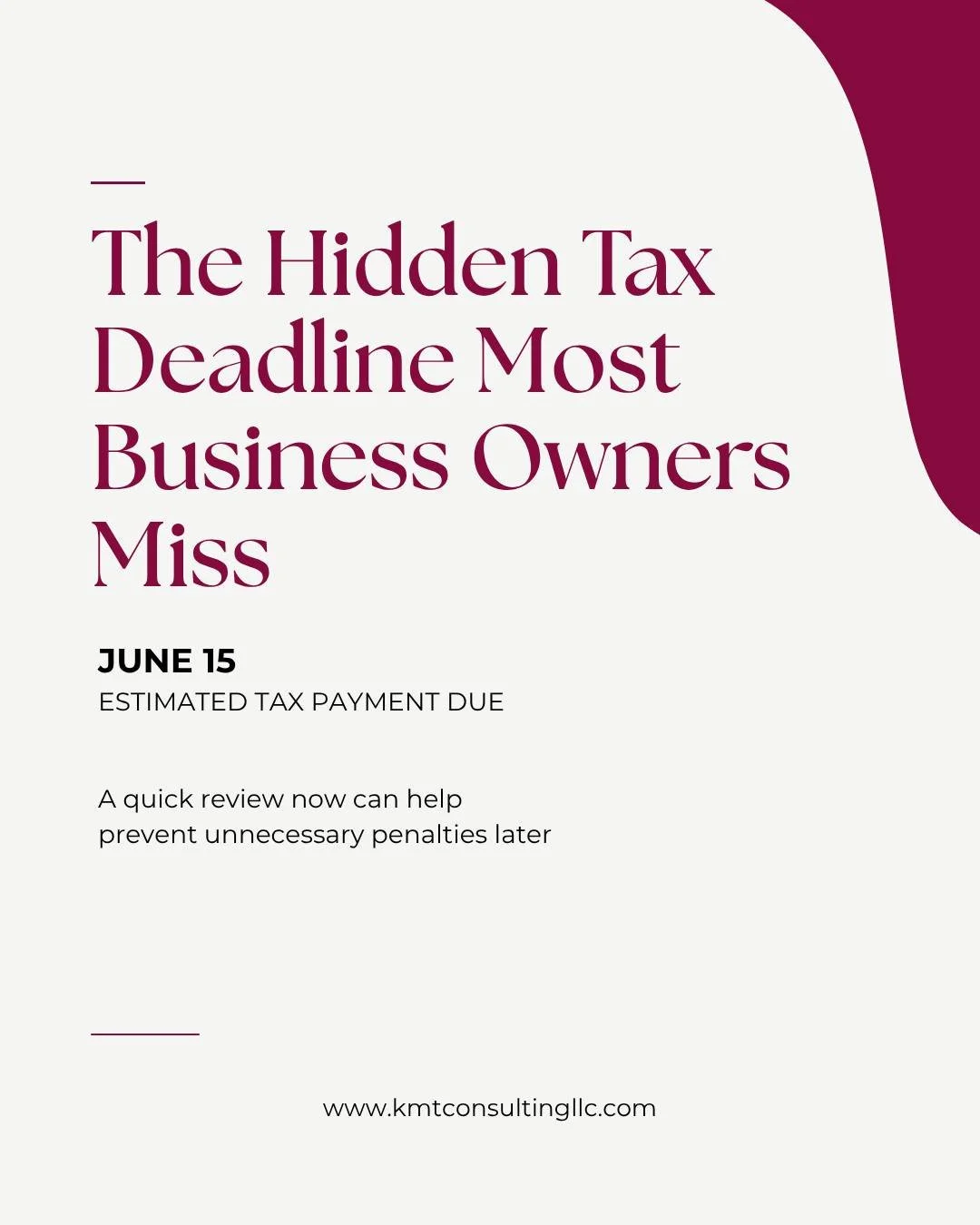
3. Estimated Tax Recalibration
Many business owners underpay or overpay simply because they never revisit their projections.
Quarterly adjustments allow you to:
Avoid penalties
Prevent January surprises
Maintain healthy reserves
Improve cash efficiency
Tax planning should evolve as your revenue evolves.
4. Owner Compensation Review
Are you paying yourself consistently?
Is your salary reasonable if you’re an S Corp?
Are distributions aligned with profitability?
Your compensation structure affects both tax efficiency and sustainability. It should be reviewed — not assumed.
5. Expense and Subscription Audit
The “small” recurring expenses often hide the biggest leaks.
Quarterly review allows you to:
Eliminate unused software
Renegotiate contracts
Evaluate marketing ROI
Trim operational waste
Small adjustments compound.

Why Most Businesses Skip This
Because quarterly planning requires discipline.
It requires looking at the truth — even when it’s uncomfortable.
But here’s what happens when you avoid it:
Q4 scrambling
Reactive decision-making
Tax shock
Cash flow stress
Growth without profit
And growth without profit isn’t growth — it’s pressure.
Profit Is Built in Systems, Not Surges
The businesses that scale sustainably don’t rely on lucky months or big contracts.
They:
Plan quarterly
Review intentionally
Adjust strategically
Protect margins
Anticipate taxes
Forecast cash
Profit isn’t accidental.
It’s engineered.
Final Thoughts
If you want this year to feel different — steadier, more controlled, more profitable — don’t wait until year-end.
The next 90 days matter more than your annual resolution ever will.
Quarterly planning isn’t extra work.
It’s what turns revenue into retained profit.
If you’re ready to move from reactive tax filing to proactive financial strategy, we would love to support you.
At KMT Consulting, LLC, we work alongside small and mid-sized business owners to implement structured quarterly planning — including cash flow forecasting, tax strategy, compensation review, and profitability analysis.
Learn more about our tax planning and business consulting services atwww.kmtconsultingllc.comor reach out to start the conversation.
Let’s build profit with intention — not by accident.